admin
-
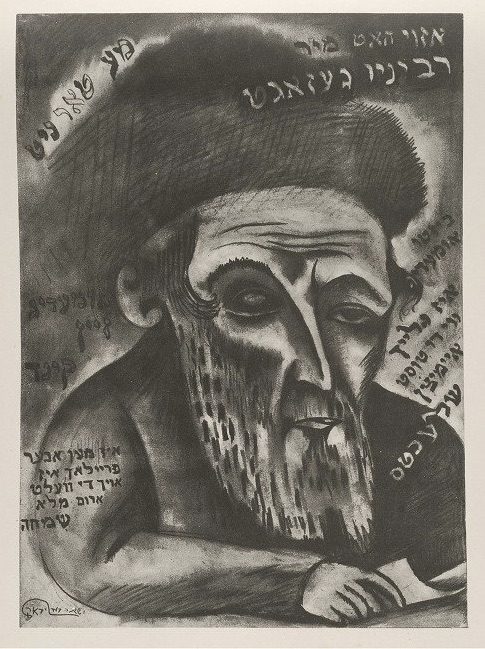
And the Priest Shall Bare the Woman’s Head!
A disgraced rabbi dies by his own hand; a Jewish family of three confronts a harrowing secret. From the spark of these related events, Adina Polatsek’s story spreads its flames. “And the Priest Shall Bear the Woman’s Head!” is a propulsive tale of intergenerational pain that follows a mother as she realizes “what the world truly was.”
-
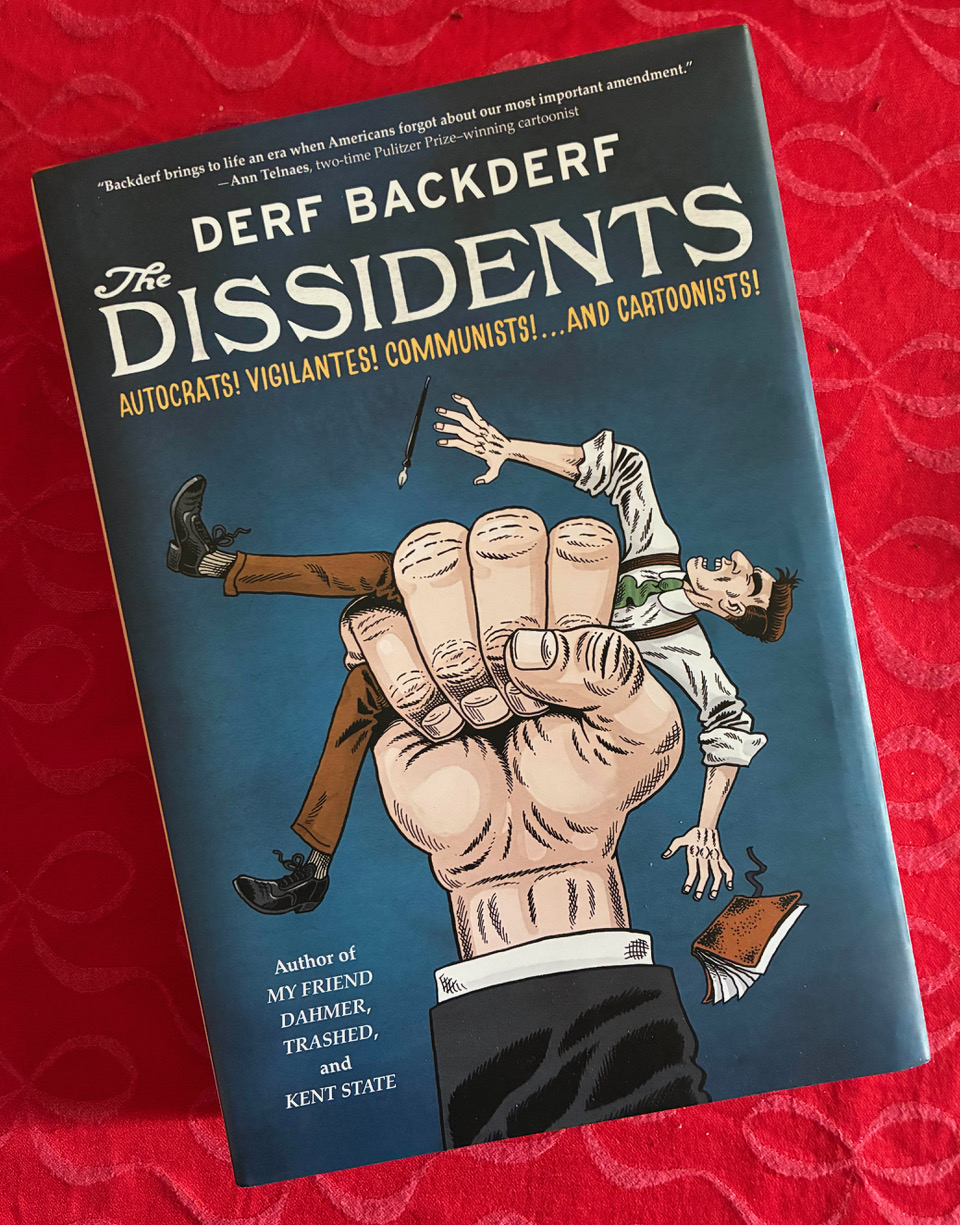
from The Dissidents
The forgotten and shockingly true story of the political cartoonists who were hounded, blacklisted, and tried for sedition in 1917, The Dissidents is a thriller that presages our current climate. It’s also the latest graphic novel from Derf, an internationally renowned comics artist who sits for an extended interview following this excerpt.
-
One True Friend
“‘So,’ he said. ‘I guess this is how it’s gonna be. But there’s one condition. You can’t run off on me, okay? If you’re in, you’re in for good. Got that?’ She blew her breath out of her nose and closed her eyes.” In Mike Ducak’s story, “One True Friend,” a scarred man faces the possible loss of the only living being who has been healing him.
-
from “What’s Good?”
“[H]ello, poetry / passing by,” Jason Koo writes in “Be Less,” one of two sections from his latest long poem, “I’m not sure where you will go but you / are always there.” His lines are plaintive and comic, conversational and grave, as he seeks, amid the daily mayhem of parenting young kids, to rekindle poetry’s “bolting birth of a beyond.” Here’s proof that he does.
-
Revolutionary
Asya Graf’s autobiographical essay chronicles a journey to the past that kindles hope for the future: “I find myself summoning an ancestor […]: a phone call, a voice on the other end, decades and countries converging in that moment of contact. The mythic ghost in my family turning into an elderly woman who’s vividly alive. And who knows a thing or two about being a revolutionary.”
-

Nobody
“I read the furrow of the doctor’s brow,” Rachel Mennies writes, “as she dug inside for evidence of you.” A sequence of disjointed sonnets about thwarted fertility, Mennies’s poem, “Nobody,” speaks to an unborn child who’s still a “round void / on the ovulation strip, absent / enough estrogen to smile.” The result is rich with heartache and beauty.
-

An Old Man, A Handgun
“Nature isn’t playing tricks. Heaven isn’t playing favorites. Everything, every being, is abiding by the rules.” But being rule-abiding is no guarantee of a peaceful coexistence. In Jarupat Petchawaret’s story “An Old Man, A Handgun,” translated by Peera Songkünnatham, a village attempts to deal with a new influx of king cobras.
-
Listening to “Twin Peaks Theme” while Thumbing a Smooth Stone Nine Months after Angelo Badalamenti’s Death
Television, divorce, photography, a river: these elements in Dan Albergotti’s deft, elegiac poem lead us, over the course of his free verse tercets, toward a place “where machines sharpen themselves / through the night.”
-
Ace Annunciation
“Angel moved closer and pressed their forehead to hers. ‘What do you think, Maura? You obviously don’t want to be responsible for continuing your own species. But wouldn’t you like to help create something more advanced instead?’” Trudy Lewis’s novella explores the violation of a woman who thinks she has liberated herself from the tyranny of human sexuality in a future that isn’t as utopian as she’d believed.
-
![[o]](https://atlengthmag.com/wp-content/uploads/2025/06/Monument-for-Inger-Christensen_Kaare-Golles_002_Photo-by-David-Stjernholm-1280x914-1.jpg)
[o]
An extension of Inger Christensen’s abecedarian poem, Alfabet (1981), Kristi Maxwell’s “[o]” uses the Fibonacci sequence to create its spiraling, expansive form. But don’t let the poem’s playfulness fool you; these lines might be the countdown to a liftoff or an explosion, the start of a race or the end of the world.
-

Coming Around
“My daughter’s email about the feeling brought on by the Golden Gate Bridge’s orange glow was no coincidence but was likely passed on to her by some ancestor”: A man works through the unreliable, yet indispensable inheritances of memory and family in this piece by Suo Er, translated by Grace Najmulski.
-

Nosegay on a Marble Plinth
“She was looking at me and I wanted to cry again because I didn’t know what she was, but I felt the warmth of her, and it was different than heat.” A series of visits from her dead mother stirs up a woman’s long-buried feelings and memories in Elizabeth Bull’s story.
-
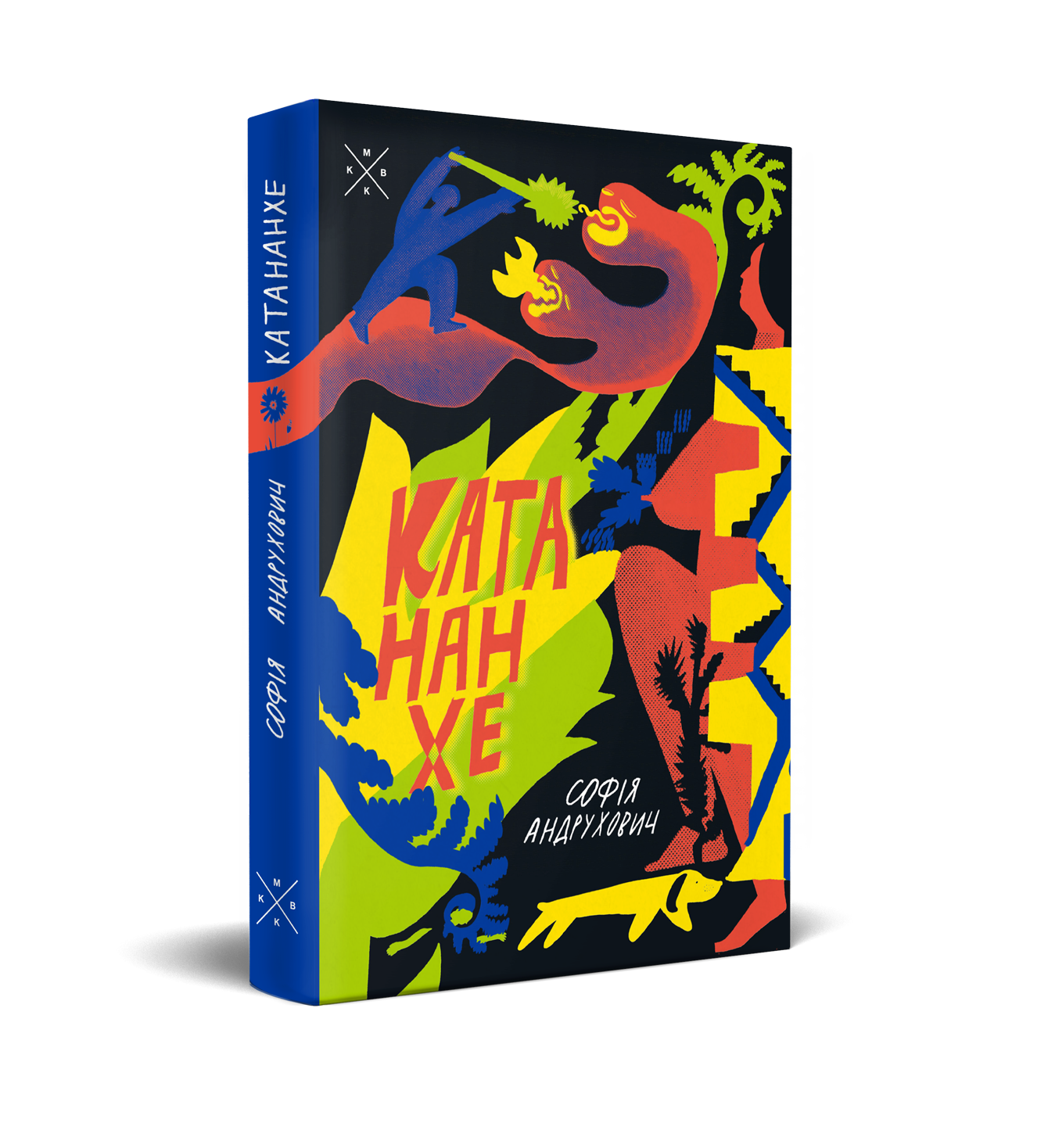
Hart
“’Are you crazy?’ Zhanna punched him in the shoulder. She was giving off a pungent wave of animal, earth, and rot.” In Sophia Andrukhovych’s “Hart,” translated by Ali Kinsella, you will share the transformative encounter of a woman, a man, and a hart in an imagined future Ukraine.
-
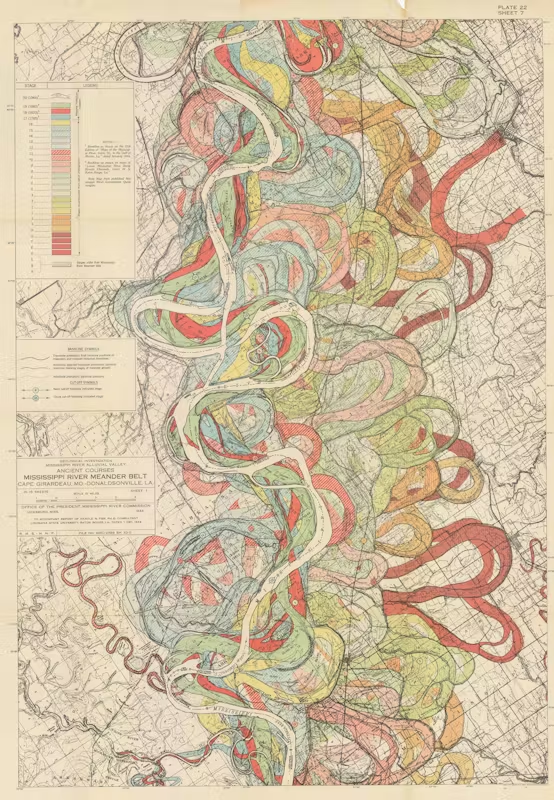
This Must Be the Place
Buying a Halloween costume, snowmobiling to school, making out after field hockey: “This Must Be the Place” careens through a landscape of memories that are equal parts joyful and embarrassing. These comic couplets prove—once and for all—that Tony Soprano was wrong about the lowest form of conversation.
-

In an Unexpected Emergency, I Find Myself
|
In the lovely, centerpiece poem from his latest collection, Birth Center in Corporate Woods, BJ Soloy reminds us—with couplets that are manic, comic, and deftly enjambed—that “We’ll find a way though this like an inmate / finding a way // to hang himself.” This is a poem for our moment, whether we like it or not.