VIII. Eternal Toddlers
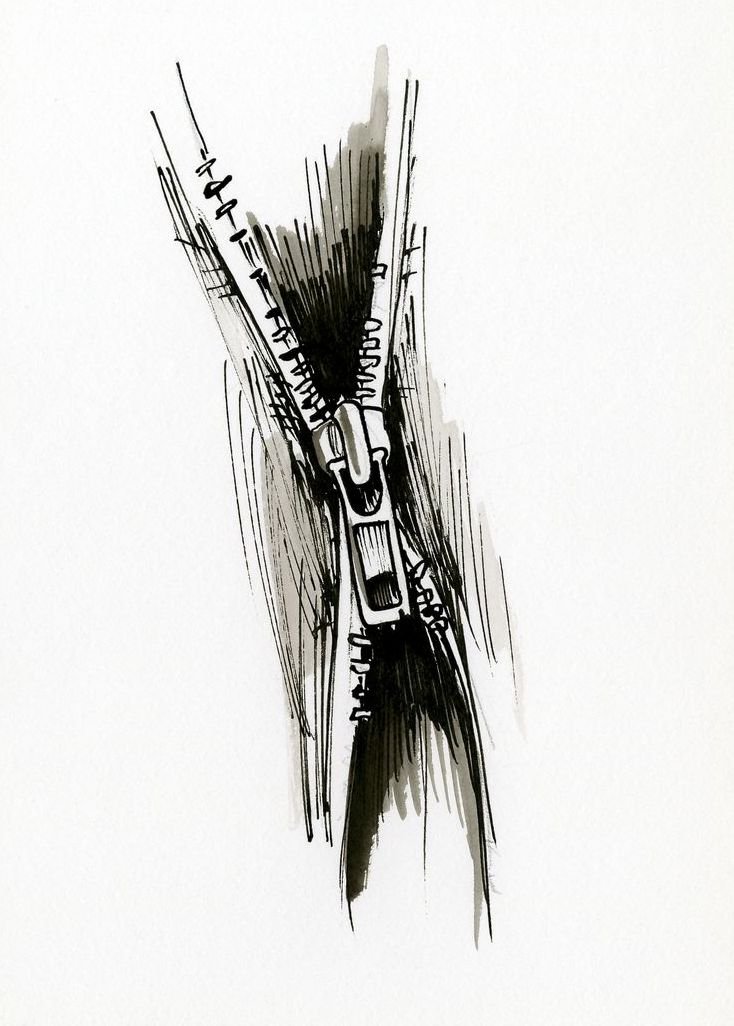
I watched Lua this morning try to zip
and unzip
a polka dot bathing suit pullover
she’d rescued from the laundry room and wail in frustration
when she couldn’t do it herself,
first rejecting the help
I offered,
screaming No, no,
swatting my hand away,
then reluctantly letting me
tug the rubbery fabric in place
while she zipped up—
that was the struggle,
zipping down she could manage
because that didn’t yank up the fabric,
but zipping up meant gripping the fabric in one hand
and zipping up with the other,
she couldn’t quite figure out
the complex fingering for this
though I tried to slow her down to show her
then let her try again herself,
I’d return to my book,
The Let Them Theory by Mel Robbins,
smiling at the serendipity,
then hear Lua start wailing again
when she couldn’t zip up,
I’d say, You seem frustrated,
maybe you should just zip it
and call it a day,
enjoying my pun
a little too smugly,
then show her how to zip up again
and again watch her unravel,
I don’t know how many times we repeated this dance,
the whole time she was also watching
—or rewatching—
Moana,
not entirely focused
on the task upsetting her,
Moana would relieve her
briefly
then she’d remember
she was upset,
there was some lesson in all of this,
the repetitiveness
of the failed attempts,
both astonishing
and amusing
from an outsider’s perspective
but unseen by the quester,
the willingness to drive yourself
insane
again and again
by doing the exact same thing
that drove you insane before
though you already knew
the outcome,
that thing being
trying to do a thing on your own
and not accept help,
coveting control
at all costs
even when it leads you
to undo
what you did do successfully
with the help of others
that you somehow,
mysteriously,
forgot about.
I’ve learned by now as a dad to step aside
when one of my girls wants
to learn to do something,
they’re wonderfully forthright
about it, pushing my hand away,
“No, I wanna do it,”
or, sometimes in Lua’s case,
“I wanna do it, too,”
that “too” acquired because she had to learn to assert herself
after Zoë,
I’ve micromanaged so many students
and staff members in my life
that watching my kids assert themselves
as 1- and 2-year-olds
has felt purgatorial, to say the least,
I couldn’t trust adults
to do fairly basic tasks
without massive overexplanation or oversight
and now must eat my shit
as I watch Zoë & Lua learn to climb stairs
and ladders and terrifying playground equipment,
I have no idea
how they learned to do these things,
some through observation, sure,
but they didn’t watch me do everything,
how did Lua figure out
how to slide down
our carpeted stairs
on her belly
going feet first?
I’ve obviously never done that
in front of her
(or at all)
and Zoë only started doing that
when she saw Lua,
the two of them
sometimes sliding down
the stairs together
laughing
on their bellies.
The other day I watched Lua pull a plastic-wrapped lollipop
out of a goodie bag
on the car ride home from a party
and methodically attack the plastic
with her teeth, I kept expecting her to cry
in frustration, at some point,
but she never did,
I asked Ana if we should take it from her,
worried about the outcome
—screaming or choking—
and she assured me, “There’s no way
she’s gonna open that thing,”
but ten impressively quiet minutes later
she’d chewed open a hole at the top of the plastic
and was now chomping through
to the candy inside,
I reached back to help her
because I didn’t want her biting any more plastic
and felt she deserved the damn lollipop after all that,
then watched her probe her way
to sucking on the lollipop
rather than just licking it,
watching your kids learn a thing for the first time
you’re reminded of the oddity, the mysterious variety
of things to do,
suck on a lollipop
with the whole suction of your mouth
or just lick it
with the tip of your tongue—
the tongue itself
so strange—
tear plastic wrapping
with your teeth
and expel it from your mouth
with a plosive burst,
pull a zipper up and down,
feeling the teeth
of the zipper tracks
grip together
then give way,
it’s mesmerizing,
magical,
and you want to do it
again and again,
yourself,
trying out the world,
in your own body,
with your own body—
when do we lose that?
I can’t remember
ever taking as much pleasure
(or pain) in a zipper
as Lua, but I do remember
the pleasure of sealing a Ziploc bag
by lining up the two sides
and feeling them lock together
in a single, smoothened little tube of color,
yellow and blue make green,
as the advertising jingle went,
I loved this,
they no longer make Ziploc bags this way, so far as I know,
and that seems like a huge loss
for kids,
if not world harmony,
I try to encourage Zoë & Lua as much as I can
to do things on their own,
getting out of their way
when they demand to try something,
both for their current pleasure
and future autonomy,
even when this means exposing them to dangerous elements
like a sizzling cast iron pan
when they “help” me cook,
the two of them
angling for space
beside me at the stove,
Zoë on the step ladder to my left,
Lua on the highchair to my right,
armed with spatulas
pushing scallions and galbi
around the pan
while Papi mediates
(and meditates)
as gently as he can,
just to make sure no one gets burned
and the meal gets cooked.
I know there will come a day
when they don’t take nearly as much, or any,
pleasure in helping me cook,
or even being in the same room together,
life happens,
by which I mean
—what do I mean?
Whatever that is
that erupts
out of Lua
when she can’t pull the zipper up
herself,
the limitations of our own control,
the thing unseen beyond
our own capacity to figure it out,
Mami and Papi screaming at each other
in the front seats of the car
or erupting over the dinner table,
barking at their daughters
for pushing them past
their limits,
already shoved to the tilt,
crying for help
but swatting it away
when it feels like surrendering
too much selfhood,
so that we end up
heroically making
the same mistakes
over and over again,
eternal toddlers
agonizing to pull ourselves
together
and just as soon
unraveling.
IX. Be Less
I’m an open field right now,
staring
—gazing—
out this broad window
at the sunlit people passing by,
hello, iambic pentameter, old friend,
hello, poetry
passing by,
I’m not sure where you will go but you
are always there,
a current
to be felt
or not,
noticed
or not,
here is this
open window I’ve sat next to many times
defunct,
ungazing,
hurried, trying,
try try try,
always
try try try
truthfully I likely would’ve kept going
in that direction
had I not been expelled
from the race, forced to sit
on the sidelines
with no way back
into the game.
I’m not sure this is better.
It often doesn’t feel
better, even now,
slightly sad, I’m missing
the definition of direction,
the focus
on a future outcome,
I don’t feel
some kind
of incandescent triumph
in gazing out this window,
I corrected to “gazing” above
because “staring” seemed too lifeless,
blank,
something in me
resisted that positioning,
which is to say there was
and is
still a positioning going on,
I wanted to seem
it not feel
soulful,
like I’ve arrived
at this greater clearing
that was there
all along—
familiar narrative,
remembering
what’s truly important,
what you already have,
returning
to what you never really left,
but there was, I think, more truth in saying
“staring,”
I do feel
lifeless, blank,
I don’t feel
I’m summoning something,
what Whitman must’ve felt at the dawn
of Leaves,
out of nowhere this bolting birth
of a beyond,
I’m just doing
something,
trying to feel that
in the (s)lightest way,
not forcing anything,
making an opening
of nothing,
stilling myself
out of the insistence
of lists,
the fury
for accomplishments no matter
how minor,
I’ve stopped making
to-do lists in my notebooks
or for my company Asana dashboard,
but in my weakness
I hold on to a few
long-term bulletpoint lists
in my Notes app,
I check items off
now and then,
including “write new poems,”
I checked that off almost immediately
after my first meaningful day
back on the page
this May,
the relative virtue of long-term lists
is you must wait a long time
to check them off
but the dopamine hit is the same
as for any negligible item,
which makes it rather unsatisfying,
the yellow-filled circle
with the crisp white checkmark inside
doesn’t glow any brighter
for the greater investment
of time and energy
you’ve made,
“write new poems”
is no bigger a deal
than “see dermatologist,”
so everything you do
has as much meaning,
i.e. none at all,
which doesn’t mean I believe
going to the dermatologist is as meaningful
as writing poems
but hopefully this flattening
practice makes me
less
dependent on achievement,
less
full of myself,
as my student reviewer on Rate My Professor would say,
Be less,
be less,
blessed dude.
The hard part is trying
to be less,
which makes it
a possible accomplishment,
there is no try, no
“only do”
either, Yoda,
you just have to be,
which sometimes sounds like the stupidest fucking thing
I’ve ever heard, writing it down
makes it sound
even weaker,
wack,
but here I am,
wack
by the window,
waiting,
watching
poetry
passing by.

Jason Koo is a second-generation Korean American poet. He is the author of four full-length collections of poetry, including, most recently, No Rest, winner of the Eugene Paul Nassar Poetry Prize and the Diode Editions Book Contest and a finalist for AWP’s Donald Hall Prize for Poetry; and More Than Mere Light, America’s Favorite Poem and Man on Extremely Small Island. His work has been published in the American Scholar, Best American Poetry, Missouri Review, Village Voice and Yale Review, among other places, and won fellowships from the National Endowment for the Arts, Vermont Studio Center and New York State Writers Institute. He is an associate teaching professor of English and the director of creative writing at Quinnipiac University and the founder of Brooklyn Poets. He lives in Beacon, New York.
image credit: David Ring