Poetry
-

from “Thend”
Ekphrasis, self-Googling, and Sotheby’s all collide in this excerpt from Ben Doller’s long poem, “Thend.” In sonnets that rat-a-tat-tat like an auctioneer’s call, Doller discovers his doppelganger, considers his mortality, and learns that “it’s hard to say when one’s saying goodbye.” The results are stunning and funny and self-aware.
-

The Last Crusade
In her characteristically sure-handed mix of the Classics and the confessional, Katie Hartsock investigates faith, learning—as her tercets and braided narratives accumulate and sing—“that God does not abandon so much // as He lets be.” And yes, to our great joy, Harrison Ford and Sean Connery come along for the ride.
-

The Afterlife
In the ten elegiac sections that comprise “The Afterlife,” Sarah Green explores fertility, reproductive health, and how “[r]egret like a car alarm […] follows [her] / through the neighborhoods.” This poem will appear in Green’s forthcoming collection, The Deletions, this year.
-
End of the Season
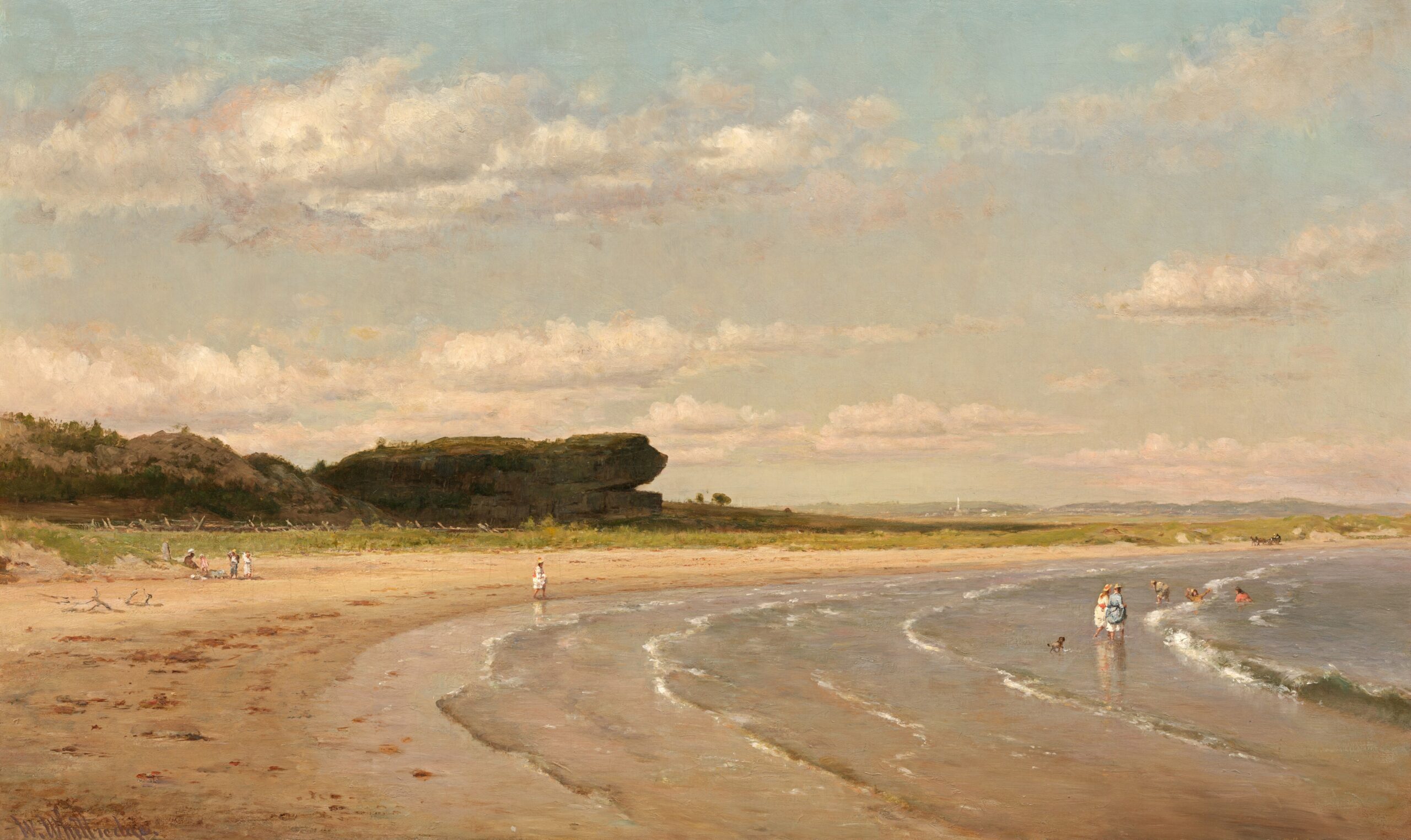
A crown of sonnets, a portrait of a marriage, and a delicate exploration of how place nudges our lives forward, Brian Brodeur’s “End of the Season” is a world unto itself. “Feeling his phone vibrate against his thigh,” Brodeur writes in pitch perfect pentameter, “he knew her text before he read it: Bye.”
-
“Everything only connected by ‘and’ and ‘and’”: On Elizabeth Bishop and Disappointment
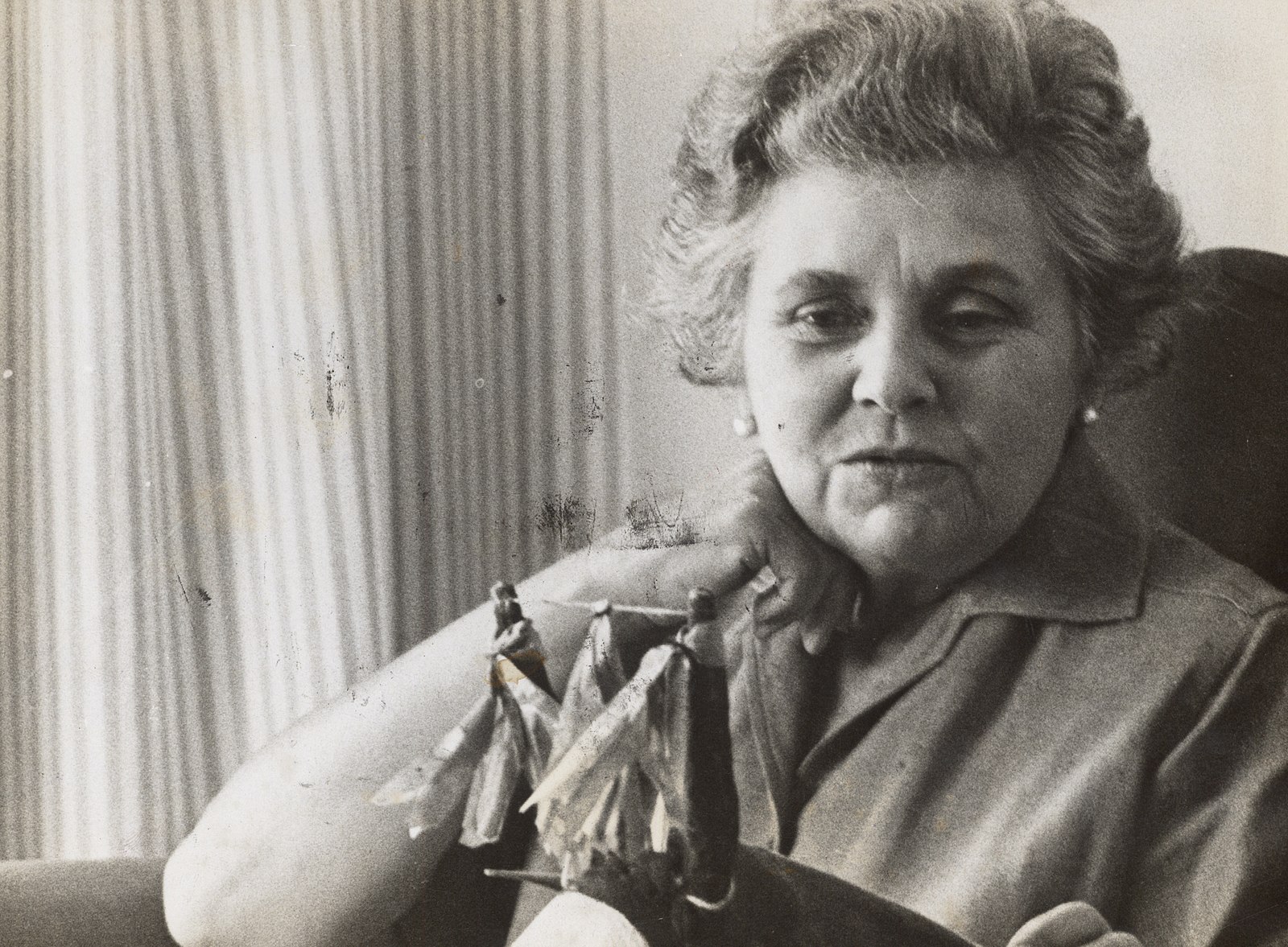
In prose that’s erudite and accessible, former Editor-in-Chief of At Length, Jonathan Farmer, explores why “[s]o many of Elizabeth Bishop’s poems end with something audibly, willfully unsatisfying.” Covering Bishop’s career from “The Map” (1946) to her late elegy for Robert Lowell, “North Haven” (1977), Farmer’s claim will send you back to Bishop’s poems with new eyes.
-
Whistlejacket
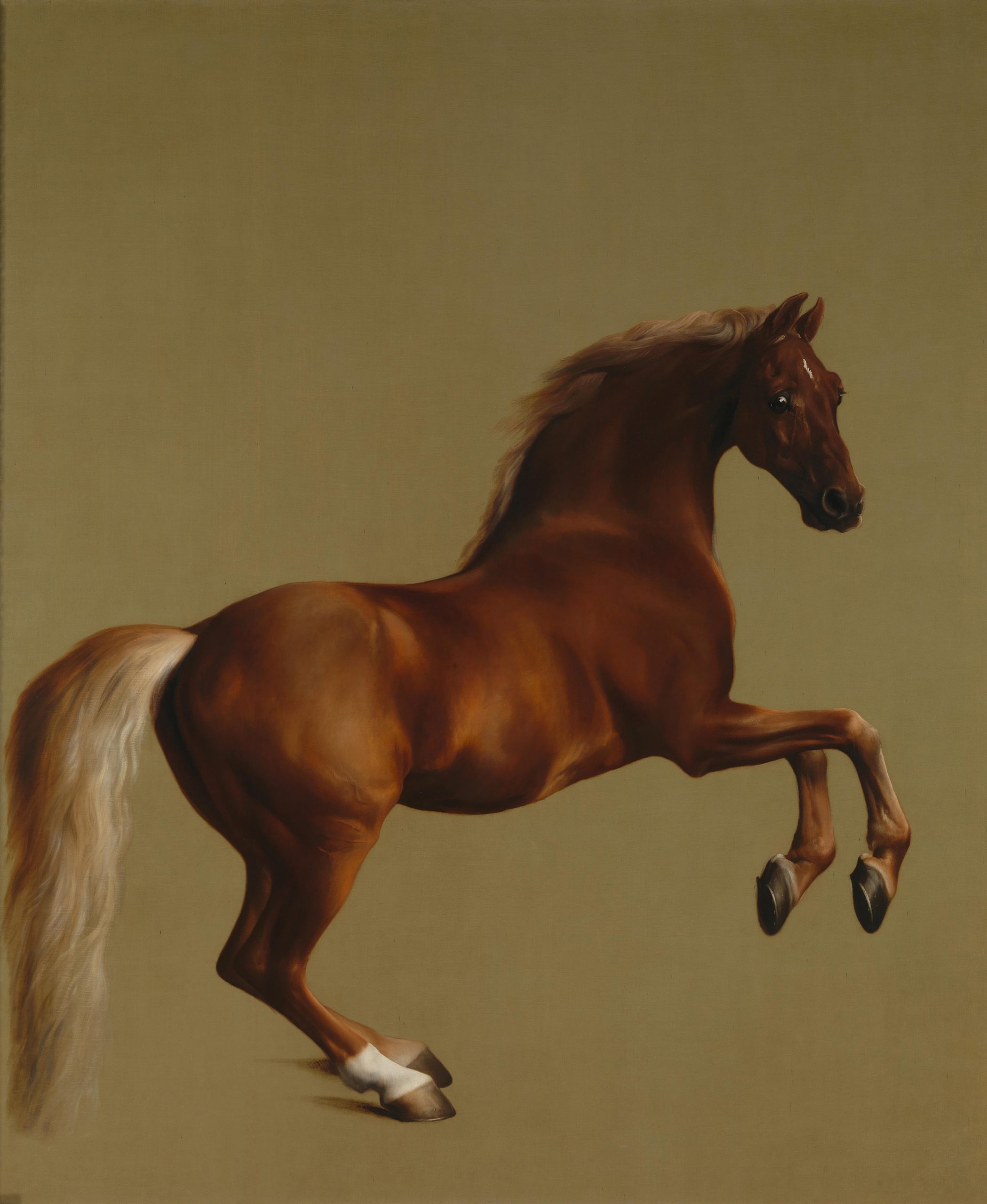
“[W]hat am I to do / about beauty, about / my fear that beauty // has made me arrange / every experience in a word / and image too neatly // for them to bear / much semblance to life,” Paisley Rekdal asks in this confessional, ekphrastic poem written in response to George Stubb’s famed painting of an Arabian thoroughbred, “Whistlejacket” (1762), on view at the National Gallery in London.
-

Sarracenia
“[H]ow do they bear this heat Who / knows who can say what will change,” Joanna Klink writes of this poem’s eponymous plant, also known as trumpet pitchers, as she explores our climate crisis and her relationship with her father in language that is both colloquial and catastrophic, meditative and urgent.
-

Three Weeks
“I am going to try to write / A little. // I have nothing at stake but my life.” In Dawn Potter’s sequence, a 19th century woman alternates between diary entries and poems, trying to make sense of her life, her obligations, her hunger for holiness, and a feeling of disaster or deliverance just out of view.
-

Small Essays on Disappearance
“All / my life sacrificed to the arrogance of cities, / their empires of skin.” A child, a city, a scar, wealth, music, memory, and identity consort in a swift series of lyrics from J. Mae Barizo.
-

Tarot/Death
“I have to invent him as a little boy / because loving him was grief-stained. // Because living with him was like— / and here I give you a house full of bees.” From Mariah Whelan, a story of violence, legacies, grief, and survival.
-

Irma
“When I say ‘te amo,’ I bend a border to you.” Shifting from word to image, language to language, scene to scene, Paul Hlava Ceballos assembles a portrait of his mother from contested memories, amid ongoing erasure, and in honor of her lifelong work of making a life for them.
-
Nonnus of Panopolis’s Dionysiaca: Book 7
From a new translation of the longest surviving poem from Ancient Greece, the story of how Eternity pleaded with Zeus to create wine to ease human suffering, as well as the courtship of Zeus and the human Semele, which led to Dionysus’ conception. Translated by Christian Teresi.
-

Wrong
“It’s not just you who has it wrong./It’s not just people. It’s every song.” Out of empire, war, destruction, and some smaller mistakes, Thomas Mixon feverishly tries to fantasize a better vision of America and, maybe, but probably not, himself.
-

Four Poems on Sally, Dick, and Jane
“Sometimes Dad naps on the sofa. / Pray is like play is like sleep. / I want to play, but I am on the outside. / This is how I learn to pray.” H.E. Fisher tells the story of a childhood in primers.
-

Abyssal
“From your flesh I’d grow a garden, / I’d make a forest of your bones.” A new poem from Carolyn Oliver overlays the long echoes of Hamlet, whale-fall, the death of a beloved, and the future of a son.